When it comes to the most attractive birds, there is no shortage of contenders. From the vibrant plumage of parrots to the elegant grace of swans, the avian world is filled with an array of stunning creatures.
In this article, we will take a closer look at some of the most attractive birds on the planet, exploring their unique features and adaptations. We will also discuss the importance of bird conservation and how we can all help to protect these beautiful creatures so they continue inspiring us.
Key Differences
Key differences or Key takeways should be provided in an informative table format.Main Article Topics
Some of the topics that we will cover in this article include:
- The most attractive birds in the world
- The unique features and adaptations of these birds
- The importance of bird conservation
- How we can all help to protect birds
We hope you enjoy this article and learn more about the fascinating world of birds.
Most Attractive Birds
When it comes to the most attractive birds, there is no shortage of contenders. From the vibrant plumage of parrots to the elegant grace of swans, the avian world is filled with an array of stunning creatures. But what makes a bird attractive? Is it their bright colors, their graceful movements, or their unique songs? In this article, we will explore eight key aspects that contribute to a bird's attractiveness.
- Coloration: Many birds have evolved to have bright and vibrant colors to attract mates and defend against predators.
- Plumage: The texture and pattern of a bird's feathers can also contribute to its attractiveness.
- Movement: The way a bird moves can be very attractive, whether it is the graceful flight of a swan or the energetic hopping of a sparrow.
- Song: Many birds have beautiful songs that they use to attract mates and defend their territories.
- Size: Some people find large birds to be more attractive, while others prefer smaller birds.
- Shape: The overall shape of a bird can also contribute to its attractiveness.
- Behavior: The way a bird behaves can also make it more or less attractive to humans.
- Rarity: Some birds are more attractive because they are rare and difficult to find.
These are just a few of the many factors that can contribute to a bird's attractiveness. Ultimately, what makes a bird attractive is a matter of personal opinion. However, there is no doubt that birds are some of the most beautiful creatures on the planet.
Coloration
Coloration is one of the most important factors that contribute to a bird's attractiveness. Bright and vibrant colors can help birds to attract mates and defend against predators.
- Attracting mates: Many birds use their bright colors to attract mates. For example, male peacocks have elaborate and colorful tail feathers that they display to attract females.
- Defending against predators: Some birds use their bright colors to warn predators that they are poisonous or dangerous. For example, the poison dart frog has bright colors to warn predators that it is poisonous.
In the context of "most attractive birds", coloration plays a significant role. Many of the birds that are considered to be the most attractive have bright and vibrant colors. For example, parrots, macaws, and hummingbirds are all known for their beautiful colors.
Plumage
The texture and pattern of a bird's feathers can also contribute to its attractiveness. For example, some birds have feathers that are iridescent, which means that they change color depending on the angle at which they are viewed. Other birds have feathers that are textured, which can give them a unique and visually appealing appearance.
In the context of "most attractive birds", plumage plays a significant role. Many of the birds that are considered to be the most attractive have feathers that are colorful, iridescent, or textured. For example, peacocks have iridescent tail feathers, hummingbirds have colorful feathers, and owls have textured feathers.
The texture and pattern of a bird's feathers can also affect its ability to fly. For example, birds with smooth feathers are able to fly more efficiently than birds with rough feathers. This is because smooth feathers create less drag.
Overall, the texture and pattern of a bird's feathers is an important factor that contributes to its attractiveness. Birds with colorful, iridescent, or textured feathers are often considered to be more attractive than birds with dull or plain feathers.
| Bird | Feather texture | Feather pattern |
|---|---|---|
| Peacock | Iridescent | Eye-shaped |
| Hummingbird | Colorful | Metallic |
| Owl | Textured | Cryptic |
Movement
The way a bird moves can be very attractive, and it is one of the key factors that contribute to a bird's overall beauty. Some birds, such as swans, have graceful and elegant movements, while others, such as sparrows, have more energetic and playful movements. Both types of movement can be attractive in their own way.
- Graceful movement: Birds that move gracefully are often considered to be more attractive. This is because graceful movement is often associated with beauty and elegance. Swans are a good example of a bird with graceful movement. They glide through the water with ease and have a very elegant appearance.
- Energetic movement: Birds that move energetically are also attractive in their own way. This is because energetic movement is often associated with vitality and playfulness. Sparrows are a good example of a bird with energetic movement. They hop around quickly and have a very playful appearance.
Ultimately, the most attractive bird is a matter of personal opinion. However, there is no doubt that movement is an important factor to consider when judging a bird's attractiveness.
Song
Birdsong is a complex and fascinating form of communication that plays a vital role in the lives of many bird species. Birds use their songs to attract mates, defend their territories, and communicate with other members of their flock. In the context of "most attractive birds", song is an important factor that can contribute to a bird's overall attractiveness.
- Mate attraction: Many birds use their songs to attract mates. Male birds often have elaborate songs that they sing to attract females. For example, the nightingale is known for its beautiful song, which it uses to attract a mate.
- Territory defense: Birds also use their songs to defend their territories. When a bird sings, it is essentially telling other birds that this is its territory and that they should stay away. For example, the robin is known for its aggressive song, which it uses to defend its territory.
- Communication: Birds also use their songs to communicate with other members of their flock. For example, some birds use their songs to warn other birds of danger.
Birds that have beautiful songs are often considered to be more attractive. This is because beautiful songs are often associated with health and vitality. Birds that are healthy and vital are more likely to be able to attract mates and defend their territories.
Size
The size of a bird can play a role in its attractiveness. Some people find large birds to be more attractive, while others prefer smaller birds. There is no right or wrong answer, as it is a matter of personal preference. However, there are some general trends that can be observed.
People who find large birds to be more attractive often cite their majestic appearance and powerful presence. Large birds, such as eagles, hawks, and owls, are often seen as symbols of strength and power. They can also be very impressive to watch in flight.
People who prefer smaller birds often find them to be more delicate and charming. Small birds, such as hummingbirds, finches, and chickadees, are often seen as symbols of beauty and grace. They can also be very entertaining to watch as they flit from flower to flower or play in the trees.
Ultimately, the most attractive bird is a matter of personal opinion. However, there is no doubt that size is an important factor to consider when judging a bird's attractiveness.Here is a table that summarizes the key points:
| Size | Attractiveness | Examples |
|---|---|---|
| Large | Majestic, powerful | Eagles, hawks, owls |
| Small | Delicate, charming | Hummingbirds, finches, chickadees |
Shape
The overall shape of a bird can also contribute to its attractiveness. Some birds have sleek and streamlined bodies, while others have more rounded and plump bodies. Both types of body shapes can be attractive in their own way.
- Sleek and streamlined bodies: Birds with sleek and streamlined bodies are often considered to be more attractive. This is because sleek and streamlined bodies are often associated with speed and agility. Falcons and hawks are good examples of birds with sleek and streamlined bodies.
- Rounded and plump bodies: Birds with rounded and plump bodies are also attractive in their own way. This is because rounded and plump bodies are often associated with cuteness and cuddliness. Owls and penguins are good examples of birds with rounded and plump bodies.
Ultimately, the most attractive bird is a matter of personal opinion. However, there is no doubt that shape is an important factor to consider when judging a bird's attractiveness.
Behavior
The way a bird behaves can also make it more or less attractive to humans. For example, birds that are playful and curious are often seen as more attractive than birds that are shy and retiring. Birds that are intelligent and can learn tricks are also often seen as more attractive than birds that are not as intelligent.
There are a number of reasons why behavior can affect how attractive a bird is to humans. One reason is that behavior can be a sign of a bird's health and vitality. Birds that are healthy and vital are more likely to be active and playful, while birds that are sick or injured are more likely to be lethargic and withdrawn.
Another reason why behavior can affect how attractive a bird is to humans is that behavior can be a sign of a bird's personality. Birds that are friendly and outgoing are often seen as more attractive than birds that are aggressive or aloof. Birds that are curious and playful are often seen as more attractive than birds that are shy and retiring.
Overall, the behavior of a bird can play a significant role in how attractive it is to humans. Birds that are healthy, vital, friendly, and outgoing are often seen as more attractive than birds that are sick, injured, aggressive, or aloof.
Here is a table that summarizes the key points:
| Behavior | Attractiveness |
|---|---|
| Playful and curious | More attractive |
| Shy and retiring | Less attractive |
| Intelligent and can learn tricks | More attractive |
| Not as intelligent | Less attractive |
| Friendly and outgoing | More attractive |
| Aggressive or aloof | Less attractive |
Rarity
In the realm of avian aesthetics, rarity plays a significant role in determining a bird's attractiveness. Birds that are uncommon or difficult to encounter often captivate our attention and elicit a sense of wonder.
- Exclusivity and desirability: Rare birds possess an aura of exclusivity, making them highly sought after by bird enthusiasts and collectors. The challenge of spotting and identifying these elusive creatures adds to their allure.
- Biological intrigue: The scarcity of certain bird species can be attributed to unique adaptations, specialized habitats, or population declines. Understanding the ecological factors that contribute to their rarity enhances our appreciation for their resilience and biological significance.
- Conservation concerns: The rarity of some birds highlights the importance of conservation efforts. Protecting their habitats, addressing threats, and raising awareness about their plight contributes to the preservation of these avian treasures.
- Cultural and historical significance: Rare birds often hold cultural or historical significance, becoming symbols of regions, traditions, or events. Their presence or absence can influence local folklore, art, and literature, further enhancing their allure.
In conclusion, the rarity of certain bird species adds a captivating dimension to their attractiveness. It underscores the importance of conservation, sparks scientific curiosity, and connects us to the intricate web of life. By appreciating the beauty and fragility of these rare avian gems, we not only enhance our aesthetic experience but also contribute to their continued existence.
FAQs about the Most Attractive Birds
This section addresses frequently asked questions about the most attractive birds, providing concise and informative answers to common queries.
Question 1: What factors contribute to a bird's attractiveness?
Answer: Multiple factors influence a bird's attractiveness, including vibrant coloration, unique plumage, graceful movement, melodious songs, size, shape, and behavior.
Question 2: Which bird species are considered the most attractive?
Answer: Beauty lies in the eye of the beholder, and preferences vary. However, birds like parrots, hummingbirds, and peacocks are often admired for their stunning colors and captivating displays.
Question 3: How does rarity affect a bird's attractiveness?
Answer: Rare birds possess an aura of exclusivity, making them highly sought after. Their scarcity highlights conservation concerns and adds to their allure.
Question 4: What is the importance of bird conservation in relation to attractiveness?
Answer: Preserving bird populations ensures the continuation of their beauty and diversity. Conservation efforts protect habitats, address threats, and raise awareness, contributing to the survival of these captivating creatures.
Question 5: How can we contribute to the protection of attractive bird species?
Answer: Supporting conservation organizations, reducing our ecological footprint, and raising awareness about the importance of bird habitats are effective ways to contribute to their well-being.
Question 6: What are some ways to enjoy the beauty of birds without disturbing their natural behavior?
Answer: Observing birds from a distance, using binoculars or cameras, and avoiding loud noises or sudden movements allows us to appreciate their presence without disrupting their daily lives.
The FAQs section provides valuable insights into the factors that enhance a bird's attractiveness and emphasizes the significance of conservation efforts. As we continue to admire the beauty of birds, let us also strive to be responsible stewards of their natural habitats, ensuring their continued existence for future generations.
Next Article Section:
Tips for Enhancing the Beauty of Birds
As we delve into the world of avian aesthetics, it is essential to approach the topic with respect and a genuine desire to preserve the natural beauty of birds. Here are several tips to guide your interactions:
Tip 1: Observe from a Distance:Respect the boundaries of birds by maintaining a safe distance during observation. Use binoculars or telephoto lenses to get closer views without disturbing their daily activities.
Tip 2: Avoid Disruptive Behaviors:Loud noises, sudden movements, and bright lights can startle birds. Be mindful of your presence and avoid actions that may disrupt their natural behaviors, such as feeding, nesting, or resting.
Tip 3: Support Conservation Efforts:Protecting bird habitats is crucial for preserving their populations and the beauty they bring to our world. Support organizations dedicated to conservation, reduce your ecological footprint, and advocate for policies that safeguard their well-being.
Tip 4: Create Bird-Friendly Spaces:Transform your surroundings into a haven for birds by providing bird feeders, birdbaths, and native plants that offer food and shelter. This not only attracts birds but also supports local ecosystems.
Tip 5: Avoid Artificial Enhancements:Resist the temptation to alter the natural beauty of birds through artificial means such as painting or dyeing their feathers. These practices can harm birds and detract from their intrinsic beauty.
Tip 6: Educate Others:Share your knowledge and appreciation of birds with others. Encourage responsible birdwatching practices and raise awareness about the importance of conservation. By educating others, we can foster a greater understanding and appreciation for these magnificent creatures.
Tip 7: Choose Ethical Photography:When capturing images of birds, prioritize their well-being. Avoid using flash or approaching nests too closely. Respect their space and observe ethical guidelines to minimize disturbance.
Tip 8: Be a Responsible Tourist:If you encounter birds in natural habitats, such as parks or reserves, follow designated trails and avoid venturing into sensitive areas that may disrupt their nesting or feeding grounds.
By implementing these tips, we can contribute to the preservation and appreciation of the most attractive birds while ensuring their well-being. Let us strive to be responsible stewards of nature and celebrate the beauty of birds in a sustainable and respectful manner.
Most Attractive Birds
Our exploration of the most attractive birds has revealed a captivating tapestry of avian aesthetics. From the vibrant hues of parrots to the graceful movements of swans, the beauty of birds is undeniably alluring.
As we continue to unravel the intricate factors that contribute to a bird's attractiveness, including coloration, plumage, movement, song, size, shape, behavior, and rarity, let us not forget the vital importance of conservation. Protecting bird populations ensures the preservation of their beauty and diversity, safeguarding their existence for future generations.
Through responsible birdwatching, ethical photography, and support for conservation efforts, we can all play a part in preserving the allure of these magnificent creatures. Let us celebrate the beauty of birds while ensuring their well-being and the health of our shared environment.
Unveiling The Private World Of Mike Holmes' Wife: Secrets And Revelations
Unveiling The Age Of Country Music Legend: Garth Brooks Revealed
Unraveling Milana Vayntrub's Relationship Status: Discoveries And Insights
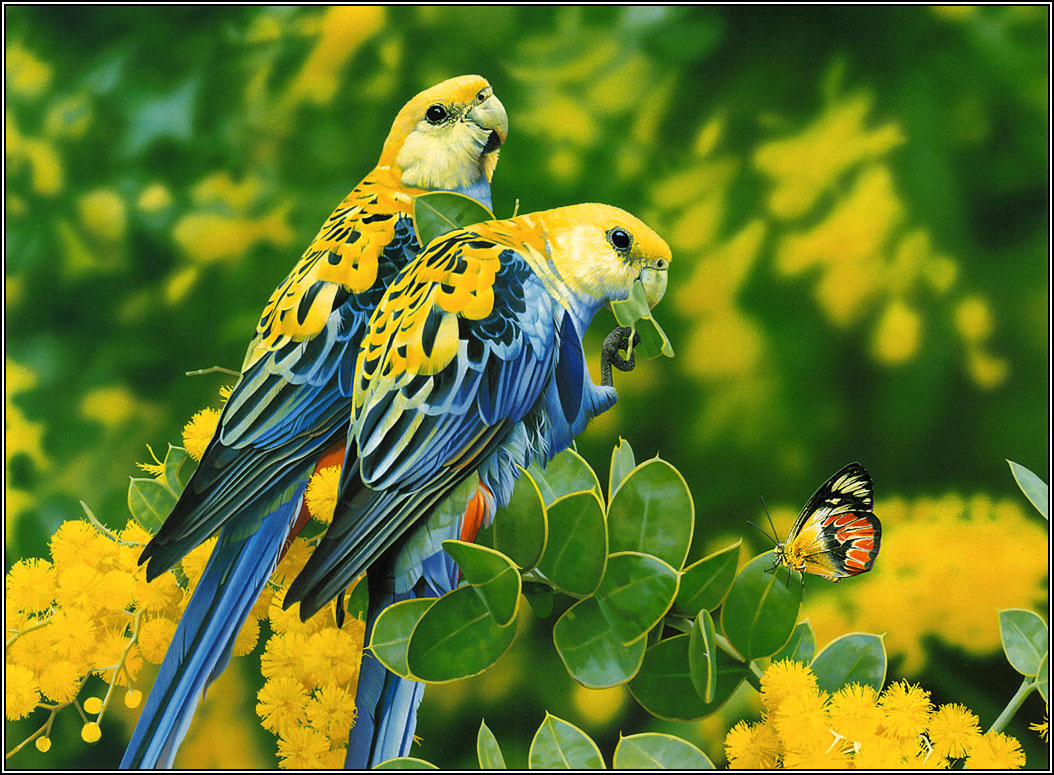
PicturesPool Love Birds Wallpapers Beautiful Birds Pictures
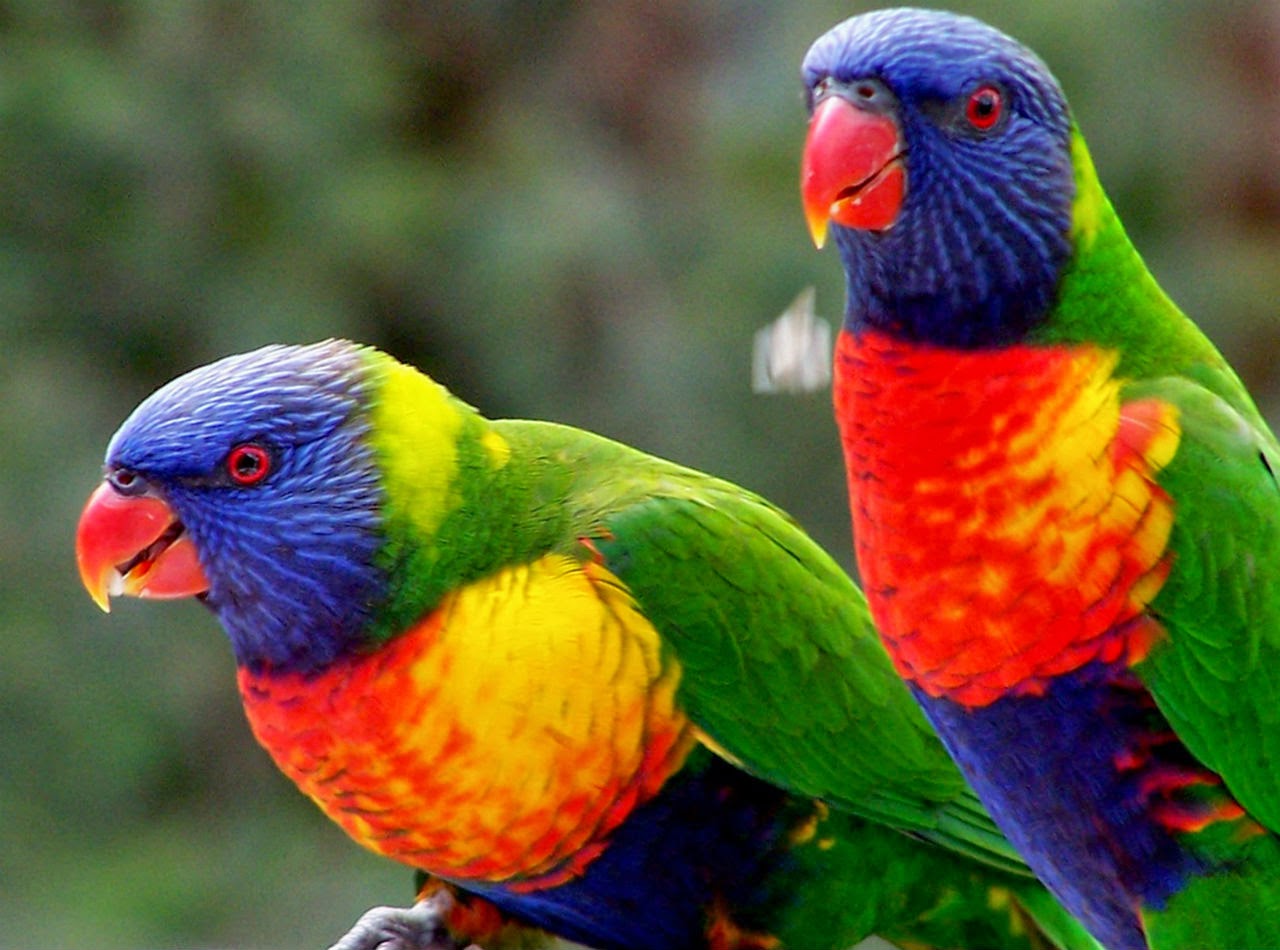
The Most Beautiful Exotic Birds In The world Marcel Hoffmann

Beautiful White Bird With Blue Eyes Beautiful bird wallpaper, Most

